Building Your Personalized Fitness Ecosystem
Creating a consistent fitness routine is about more than just willpower; it is about environment design. When your home is equipped with the right tools, the barrier to entry for your daily workout drops significantly. Whether you are aiming for muscle gain, weight loss, or simply higher energy levels, the secret lies in selecting gear that integrates seamlessly into your daily life.
The Foundation: Best Home Workout Equipment
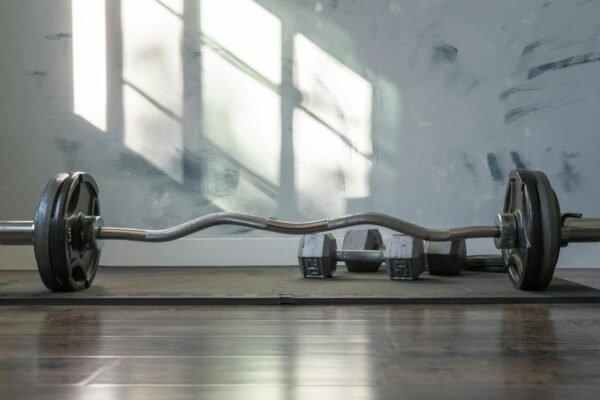
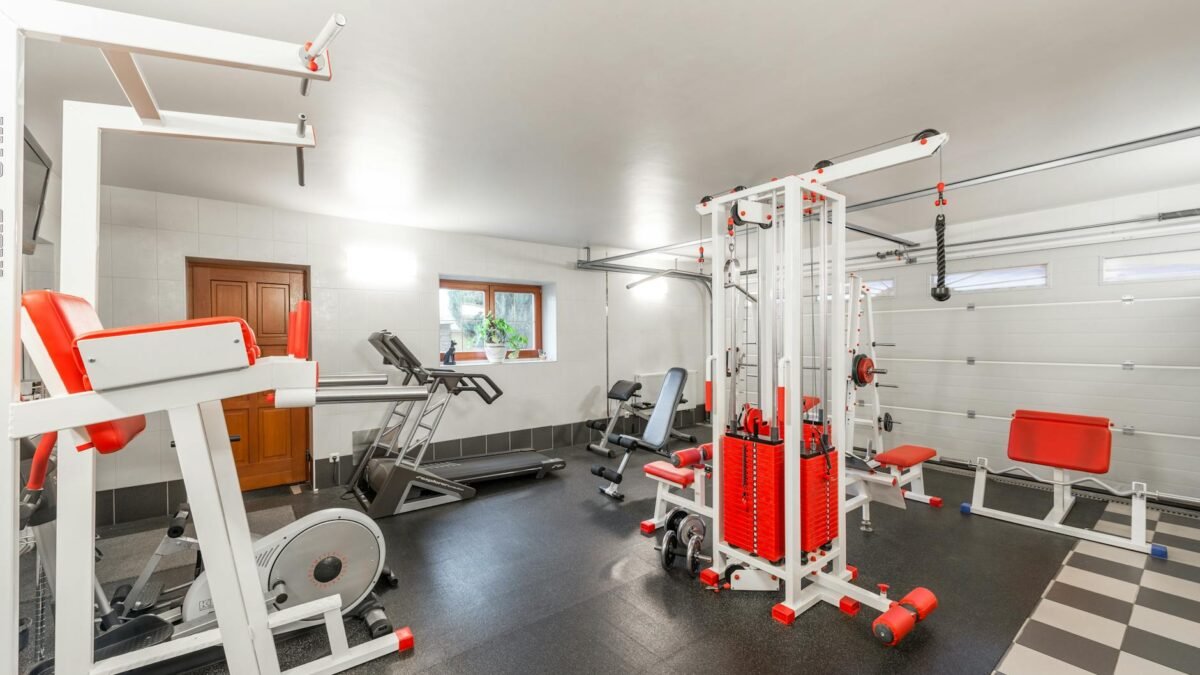
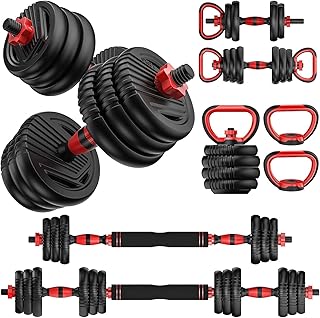
If you are limited by space, start with multi-functional equipment. The best home workout equipment isn’t necessarily the largest; it is the most versatile. Resistance bands are excellent for tension-based training, while a high-quality treadmill provides the cardio baseline required for heart health. When shopping, look for durability and ease of storage.
Optimizing Nutrition for Performance
You cannot out-train a poor diet. To support muscle growth and effective weight management, focus on high-quality fuel. The best protein powder for muscle gain should prioritize bioavailability, while supplements for weight loss should be treated as a secondary tool to a caloric deficit and whole foods. Don’t forget your meal prep containers—having pre-portioned, healthy meals ready to go is the single most effective way to avoid unhealthy takeout.
Vitamins and Energy Support
Daily stressors can drain your vitality. Finding the best vitamins for energy and immunity can help bridge the gap in your micronutrient intake. Look for clean, third-party tested supplements that fit your specific health profile.

Recovery: The Missing Link
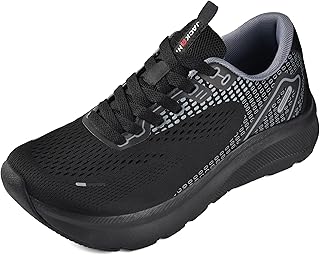
Hard work in the gym means nothing if you do not recover properly. Incorporating a massage gun into your post-workout routine can reduce muscle soreness and increase blood flow. Additionally, if you are a runner, investing in the best running shoes for flat feet is non-negotiable to prevent injuries and maintain proper form. For beginners, a top-tier fitness tracker can provide the data needed to understand your sleep quality and recovery status.
How to Choose the Right Gear
- Evaluate your space: Measure your available square footage before buying large equipment.
- Identify your goals: Are you training for endurance, strength, or weight loss?
- Check compatibility: Ensure your fitness tracker syncs with your preferred mobile apps.
- Prioritize longevity: Opt for high-quality materials, even if it means a higher upfront cost.
By focusing on these core areas—movement, nutrition, and recovery—you can build a sustainable lifestyle that keeps you feeling your best year-round.
Top Fitness Essentials for Your 2026 Wellness Routine